
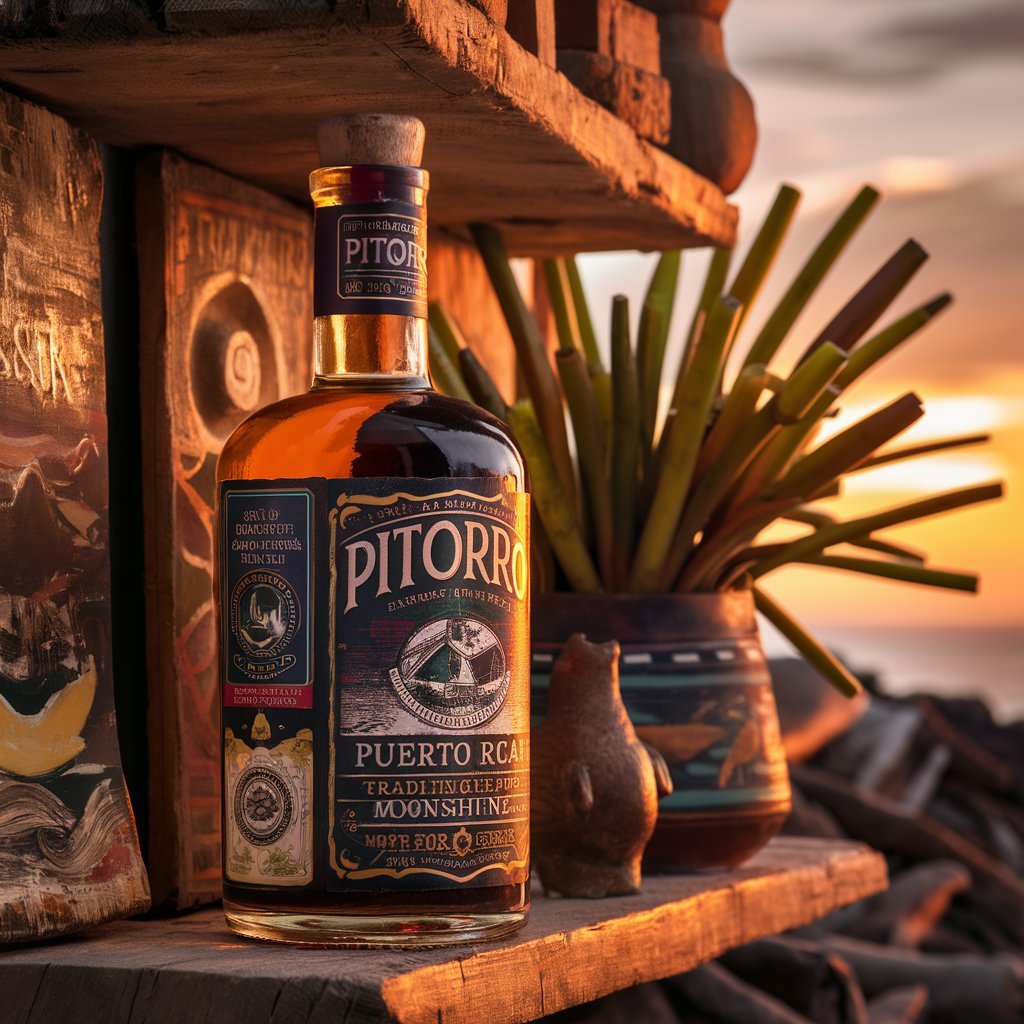
Pitorro is more than just a strong homemade spirit; it is a powerful symbol of tradition, resilience, and celebration deeply rooted in Puerto Rican culture. Often described as Puerto Rican moonshine, pitorro is a high-proof distilled alcohol that has been crafted for generations, particularly during the Christmas season. Its reputation for strength, unique flavors, and underground production has made it both legendary and controversial. While many associate pitorro with festive gatherings and family traditions, its history stretches back to colonial times when restrictions on alcohol production led to the rise of homemade distillation. Today, pitorro remains a cherished part of Puerto Rico’s cultural identity, connecting modern celebrations with historical customs that have endured for centuries.
What Is Pitorro? Understanding the Traditional Puerto Rican Spirit
Pitorro is a high-proof distilled spirit traditionally made from sugarcane or molasses, similar in base to rum, but often much stronger. Unlike commercially produced rum from brands such as Bacardi, pitorro is typically homemade and unregulated, which contributes to its unpredictable alcohol content. In many cases, the alcohol percentage can exceed 60% or even 80%, making it significantly stronger than most commercial liquors available in stores. The spirit is sometimes infused with fruits, spices, or herbs to enhance its flavor, creating variations that range from sweet and aromatic to intensely sharp and fiery.
The name “pitorro” itself is believed to have origins connected to the distillation process or possibly derived from older Spanish slang. Regardless of its linguistic roots, the drink has become synonymous with Puerto Rican holiday traditions, especially during the Christmas season, when families prepare batches months in advance. Though often compared to moonshine in the mainland United States, pitorro carries its own distinct Caribbean identity shaped by climate, ingredients, and cultural influences.
The History of Pitorro in Puerto Rico
The history of pitorro is closely tied to colonial regulations imposed by Spain when Puerto Rico was under Spanish rule. During that period, strict laws limited who could legally produce and sell rum, creating a monopoly that benefited certain producers. In response, many locals began distilling their own alcohol in secret, giving birth to the tradition of clandestine pitorro production. Hidden distilleries, often set up in rural areas or forests, allowed families to bypass government restrictions while preserving their traditions.
Over time, this underground practice became an accepted part of Puerto Rican culture, even after the island came under U.S. governance. The production of pitorro without a license remains illegal, yet enforcement tends to be more visible during the holiday season when authorities attempt to control unregulated sales. Despite legal risks, the drink continues to thrive as a symbol of independence and cultural pride, demonstrating how traditions can endure despite political and economic changes.
How Pitorro Is Made: The Distillation Process
The process of making pitorro begins with fermenting sugarcane juice or molasses to create an alcohol base. This fermented mixture is then distilled using homemade equipment, which can range from simple pot stills to more elaborate setups crafted from metal drums and copper tubing. Because production methods vary widely, the quality and safety of pitorro can differ significantly from batch to batch. Skilled makers take pride in carefully monitoring temperature and fermentation times to produce a smoother, more refined spirit.
After distillation, many producers infuse pitorro with fruits such as coconut, passion fruit, tamarind, or cherries. Spices like cinnamon and cloves are also popular additions, particularly during Christmas. The infusion process can last weeks or even months, allowing the flavors to fully develop and mellow the harshness of the alcohol. While some batches are consumed clear and unflavored, others resemble liqueurs due to their colorful appearance and aromatic sweetness.
Pitorro and Puerto Rican Christmas Traditions
Pitorro plays a central role in Puerto Rican Christmas celebrations, which are among the longest in the world, often lasting from late November through mid-January. Families gather for parrandas—musical street parties where friends visit homes singing traditional songs and sharing food and drinks. During these lively festivities, bottles of homemade pitorro are passed around as a gesture of hospitality and warmth.
The drink complements traditional holiday dishes and desserts, adding a spirited kick to already vibrant gatherings. For many Puerto Ricans, preparing pitorro is a ritual that connects generations, with grandparents teaching younger family members the techniques and recipes that have been handed down over time. Even those who do not produce it themselves often receive bottles as gifts, reinforcing its role as a symbol of generosity and celebration.
Is Pitorro Legal? Laws and Regulations
The legality of pitorro depends largely on how it is produced and distributed. In Puerto Rico, unlicensed distillation of alcohol is technically illegal, as it violates federal and local regulations governing alcohol production. Authorities may seize equipment and issue fines to individuals caught producing or selling homemade spirits without proper permits. However, small-scale production for personal use has often been tolerated, particularly when it remains within family circles and does not enter commercial markets.
Commercial rum production in Puerto Rico, on the other hand, is fully regulated and contributes significantly to the island’s economy. Major distilleries operate under strict guidelines to ensure safety and quality standards. While pitorro exists outside these formal systems, its continued popularity demonstrates the strong cultural attachment that many Puerto Ricans have to this traditional beverage.
Pitorro vs. Rum: What Makes It Different?
Although both pitorro and rum share sugarcane-based origins, they differ in production methods, regulation, and flavor profiles. Commercial rum is distilled, aged, and bottled under controlled conditions to achieve consistent taste and alcohol content. Pitorro, by contrast, is often produced in small batches without aging, resulting in a raw and potent spirit that can vary widely in strength and smoothness.
Another key difference lies in cultural perception. Rum is a global commodity enjoyed worldwide, while pitorro retains a more intimate, community-centered identity. It is less about mass production and more about heritage, storytelling, and shared experience. This distinction helps explain why pitorro continues to hold a special place in Puerto Rican households despite the availability of widely recognized rum brands.
Modern Popularity and Cultural Significance of Pitorro
In recent years, pitorro has gained renewed attention as interest in artisanal and traditional beverages has grown. Social media platforms have allowed producers to showcase creative flavor infusions and colorful presentations, sparking curiosity among younger generations. Some licensed distillers have even experimented with legal versions inspired by traditional pitorro recipes, blending authenticity with regulatory compliance.
Beyond its taste, pitorro represents resilience and cultural pride. It embodies the spirit of a community that values tradition and family bonds. Whether enjoyed during a festive gathering or discussed as part of Puerto Rico’s culinary heritage, pitorro continues to symbolize the island’s vibrant identity and enduring customs.
Conclusion: The Enduring Spirit of Pitorro
Pitorro stands as a testament to Puerto Rico’s rich cultural tapestry, blending history, rebellion, celebration, and family tradition into a single, potent drink. From its origins in clandestine distillation during colonial times to its modern role in Christmas festivities, pitorro remains a cherished symbol of identity and resilience. Although its production exists in a legal gray area, its cultural significance is undeniable. For many Puerto Ricans, pitorro is not merely a beverage but a tradition that carries stories, memories, and a sense of belonging from one generation to the next.
Frequently Asked Questions (FAQs)
1. What is pitorro made from?
Pitorro is typically made from fermented sugarcane juice or molasses, which is then distilled into a high-proof spirit. It is often infused with fruits and spices for added flavor.
2. How strong is pitorro?
Pitorro is known for its high alcohol content, often ranging from 60% to 80% alcohol by volume, making it much stronger than most commercial liquors.
3. Is pitorro the same as rum?
No, while both are derived from sugarcane, rum is commercially produced and regulated, whereas pitorro is traditionally homemade and often unregulated.
4. Is it legal to make pitorro?
Unlicensed production of pitorro is illegal in Puerto Rico, though small batches for personal use are sometimes informally tolerated.
5. When is pitorro typically consumed?
Pitorro is most commonly enjoyed during the Christmas season in Puerto Rico, particularly at family gatherings and parrandas.
