
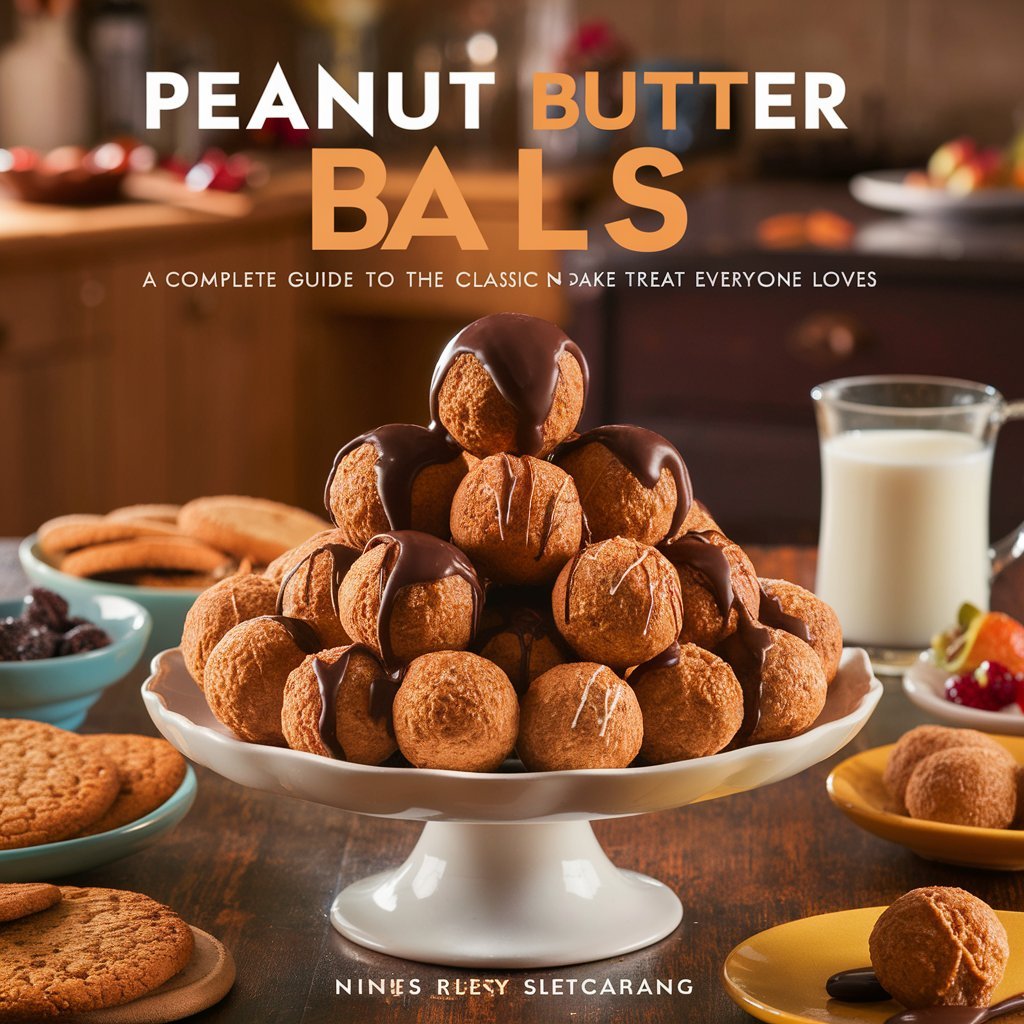
Peanut butter balls are one of those timeless treats that instantly bring comfort, nostalgia, and pure indulgence with every bite. Known for their rich peanut butter flavor, smooth texture, and simple preparation, peanut butter balls have earned a permanent place in home kitchens, holiday dessert trays, and family recipe collections around the world. What makes them especially appealing is that they require no baking, minimal ingredients, and very little time, making them perfect for beginners and experienced cooks alike. Whether you are preparing them for a festive celebration, a quick snack, or a homemade gift, peanut butter balls strike the perfect balance between convenience and irresistible taste. Their versatility also allows for endless variations, ensuring they never feel boring or repetitive.
What Are Peanut Butter Balls?
Peanut butter balls are small, bite-sized confections typically made by mixing peanut butter with powdered sugar and butter, then shaping the mixture into round balls. In many popular versions, these balls are dipped or coated in melted chocolate, creating a delightful contrast between the creamy peanut butter center and the firm chocolate shell. The result is a treat that feels indulgent yet approachable, combining familiar pantry ingredients into something that tastes special and homemade. Because they do not require an oven, peanut butter balls are often one of the first desserts people learn to make, yet they remain a favorite even among seasoned bakers due to their rich flavor and satisfying texture.
Ingredients Used in Peanut Butter Balls
The beauty of peanut butter balls lies in their simplicity, as they rely on a small number of everyday ingredients to deliver big flavor. The primary ingredient, peanut butter, provides the signature nutty taste and creamy consistency that defines the treat. Powdered sugar is used to sweeten the mixture while also helping it firm up enough to hold its shape. Butter adds richness and smoothness, preventing the texture from becoming too dry or crumbly. For chocolate-coated peanut butter balls, semi-sweet or milk chocolate is commonly used, though dark chocolate is also a popular choice for those who prefer a deeper, less sweet flavor. Some recipes include vanilla extract or a pinch of salt to enhance the overall taste and balance the sweetness.
How Peanut Butter Balls Are Made
Making peanut butter balls is a straightforward process that does not require advanced cooking skills, which is one of the reasons they are so widely loved. The process usually begins by mixing peanut butter, softened butter, and powdered sugar until a thick, smooth dough forms. This mixture is then chilled briefly to make it easier to handle before being rolled into evenly sized balls. Once shaped, the balls are often chilled again to firm them up before dipping them into melted chocolate. The chocolate coating is allowed to set, either at room temperature or in the refrigerator, resulting in a polished, professional-looking treat that tastes as good as it looks. This simple method allows anyone to create delicious peanut butter balls with minimal effort.
Popular Variations of Peanut Butter Balls
One of the most exciting aspects of peanut butter balls is how easily they can be customized to suit different tastes and dietary preferences. Some variations include adding crushed graham crackers or rice cereal to the peanut butter mixture for extra texture and crunch. Others incorporate coconut flakes, chopped nuts, or even a drizzle of white chocolate for visual appeal and flavor contrast. For those seeking a healthier option, peanut butter balls can be made using natural peanut butter, honey instead of powdered sugar, and dark chocolate for coating. Vegan and dairy-free versions are also common, using plant-based butter and dairy-free chocolate while still maintaining the classic taste and texture that make peanut butter balls so appealing.
Why Peanut Butter Balls Are So Popular
The popularity of peanut butter balls can be attributed to several factors that make them universally appealing. First, they are incredibly easy to prepare, requiring no baking and very little cleanup. Second, their flavor profile is familiar and comforting, combining peanut butter and chocolate in a way that appeals to both children and adults. Third, peanut butter balls are highly adaptable, making them suitable for holidays, parties, school events, and casual snacking. Their small size also makes portion control easier, allowing people to enjoy a sweet treat without overindulging. All of these qualities together explain why peanut butter balls continue to be a favorite generation after generation.
Serving and Storing Peanut Butter Balls
Peanut butter balls are best served slightly chilled, as this helps maintain their shape and enhances the contrast between the creamy center and the chocolate coating. They can be arranged on dessert platters, packaged in decorative boxes for gifting, or stored for later enjoyment. Proper storage is simple and convenient, as peanut butter balls can be kept in an airtight container in the refrigerator for up to two weeks. For longer storage, they can also be frozen, making them an excellent make-ahead treat. When frozen, they retain their flavor and texture well and can be thawed quickly whenever a sweet craving strikes.
Conclusion
Peanut butter balls are more than just a simple dessert; they are a celebration of flavor, ease, and versatility. Their no-bake nature, minimal ingredient list, and rich taste make them an ideal choice for anyone looking to create a delicious homemade treat without spending hours in the kitchen. Whether enjoyed as a classic chocolate-coated version or customized with creative variations, peanut butter balls continue to stand the test of time as a beloved confection. From family gatherings to everyday snacking, they offer a perfect combination of comfort and indulgence that never goes out of style.
Frequently Asked Questions About Peanut Butter Balls
Are peanut butter balls the same as buckeyes?
Peanut butter balls and buckeyes are very similar, but they are not exactly the same. Buckeyes are traditionally only partially dipped in chocolate, leaving a visible circle of peanut butter on top, while peanut butter balls are usually fully coated in chocolate.
Can peanut butter balls be made without chocolate?
Yes, peanut butter balls can be enjoyed without chocolate. Some people prefer them plain or rolled in powdered sugar, cocoa powder, or crushed nuts for a different texture and flavor.
How long do peanut butter balls last?
When stored properly in an airtight container in the refrigerator, peanut butter balls can last up to two weeks. If frozen, they can last for several months without losing quality.
Can I use natural peanut butter for peanut butter balls?
Natural peanut butter can be used, but it may result in a softer mixture due to its higher oil content. Adjusting the amount of powdered sugar can help achieve the right consistency.
Are peanut butter balls suitable for holidays and gifting?
Absolutely. Peanut butter balls are a popular holiday treat and make excellent homemade gifts due to their long shelf life, attractive appearance, and universally loved flavor.
