
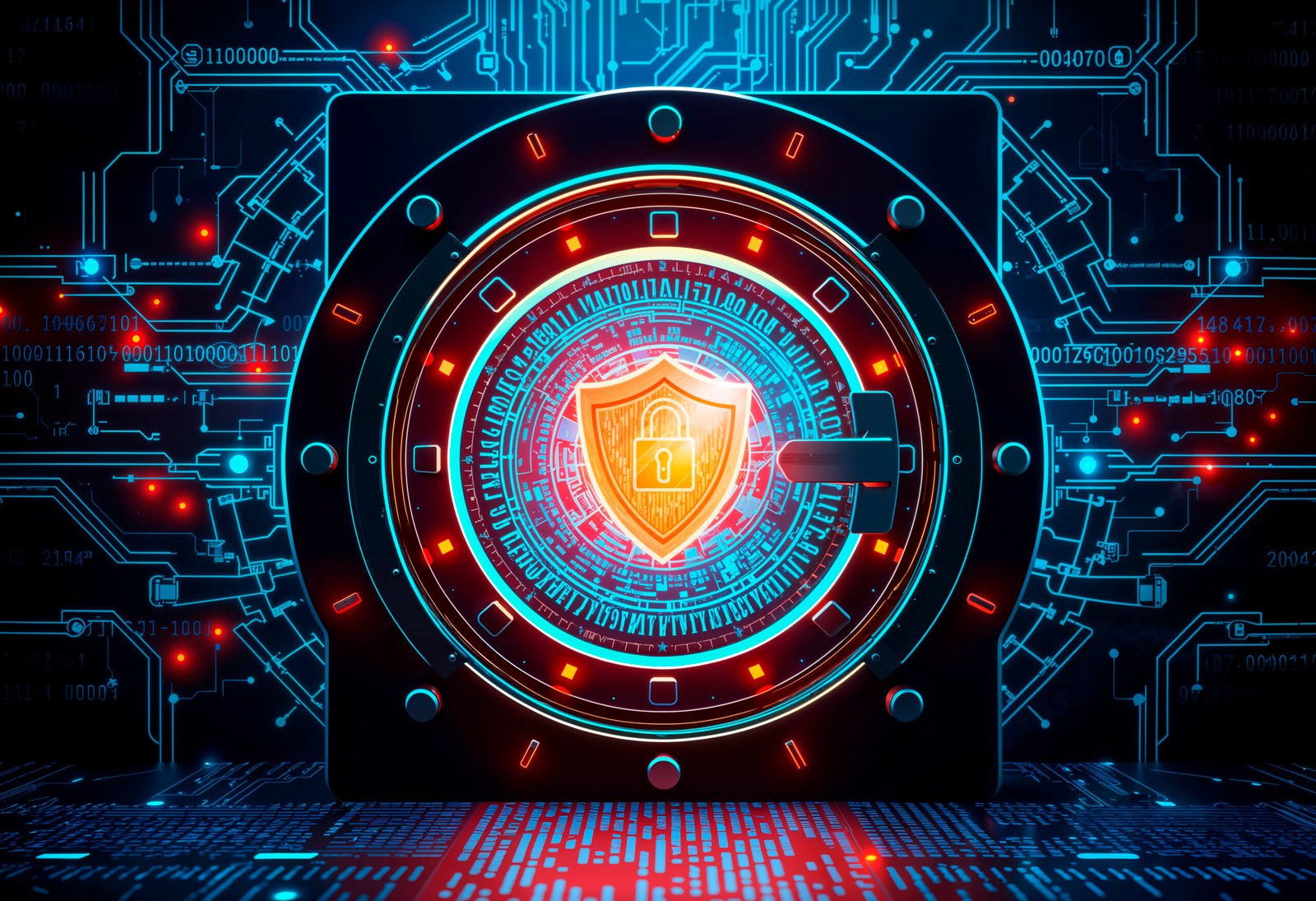
In an age where nearly every aspect of life is recorded digitally, the need to preserve important information for the long term has become more important than ever. Photos, videos, documents, personal messages, and intellectual work are no longer stored only in physical form but exist primarily in digital spaces. This growing dependence on digital data has led to the concept of the Eternity Vault, a solution designed to securely store and preserve valuable digital assets for extended periods of time. Eternity Vault represents the idea of long-term digital preservation, ensuring that meaningful information remains safe, accessible, and intact even as technology continues to evolve. This article explores the concept of Eternity Vault in depth, including its purpose, features, benefits, challenges, and commonly asked questions.
What Is Eternity Vault and Why It Matters
Eternity Vault refers to a secure digital storage concept focused on preserving data indefinitely or for generations to come. Unlike ordinary cloud storage that prioritizes convenience and short-term access, Eternity Vault emphasizes longevity, reliability, and data integrity. It matters because digital data is fragile; file formats become obsolete, storage systems fail, and platforms shut down. Eternity Vault aims to solve these issues by offering a structured approach to safeguarding critical digital information such as family records, legal documents, creative works, historical archives, and personal memories. In a world where digital loss is common, Eternity Vault highlights the importance of planning for the future of data preservation.
Key Features of Eternity Vault
One of the defining aspects of Eternity Vault is its focus on advanced features that support long-term data survival. These features often include strong encryption to protect sensitive information, redundant storage systems to prevent data loss, and regular integrity checks to ensure files remain uncorrupted over time. Eternity Vault solutions may also support multiple file formats and include mechanisms for future compatibility, helping data remain accessible even as software and hardware standards change. These features work together to create a secure and sustainable environment where digital assets can be preserved with confidence.
Types of Data Stored in an Eternity Vault
An Eternity Vault is designed to hold a wide range of digital content, making it versatile and valuable for individuals and organizations alike. Personal data such as photos, videos, letters, and journals can be stored to preserve memories for future generations. Professional and legal documents, including contracts, certificates, and intellectual property, benefit from long-term secure storage. Businesses and institutions may also use Eternity Vault concepts to archive research, historical records, and confidential information. This flexibility allows Eternity Vault to serve as a digital legacy system rather than just a storage solution.
Security and Privacy in Eternity Vault Systems
Security is a core element of Eternity Vault, as long-term data preservation requires strong protection against unauthorized access, cyber threats, and accidental exposure. Encryption ensures that data remains private, while access controls allow owners to decide who can view or manage stored information. Privacy is equally important, especially when storing personal or sensitive content meant for future access by selected individuals. Eternity Vault systems are typically designed with strict privacy standards, helping users maintain control over their digital legacy while minimizing risks associated with online storage.
Benefits of Using an Eternity Vault
The benefits of Eternity Vault extend beyond simple data storage. One major advantage is peace of mind, knowing that valuable digital assets are protected for the long term. Eternity Vault helps prevent data loss caused by hardware failure, accidental deletion, or service shutdowns. It also supports continuity, ensuring that important information can be passed on to future generations or successors. For creators, professionals, and families, Eternity Vault serves as a reliable foundation for preserving digital identity, history, and achievements over time.
Challenges and Limitations of Eternity Vault
Despite its advantages, Eternity Vault also faces challenges that users should consider. Long-term storage requires continuous maintenance, updates, and adaptability to new technologies. There is also the question of sustainability, as preserving data indefinitely requires resources and careful planning. Compatibility with future systems remains a concern, as today’s file formats may not be easily readable decades later. Understanding these limitations helps users make realistic and informed decisions when choosing or designing an Eternity Vault solution.
Frequently Asked Questions (FAQs) About Eternity Vault
What is the main purpose of an Eternity Vault?
The main purpose of an Eternity Vault is to preserve important digital data securely for long periods, ensuring it remains accessible and protected over time.
Who can benefit from using Eternity Vault?
Individuals, families, businesses, researchers, and institutions can all benefit from Eternity Vault by safeguarding personal, professional, or historical digital assets.
Is Eternity Vault the same as regular cloud storage?
No, Eternity Vault focuses on long-term preservation, data integrity, and future accessibility, while regular cloud storage often prioritizes short-term convenience.
What types of files can be stored in an Eternity Vault?
Photos, videos, documents, legal records, creative works, and archives can all be stored within an Eternity Vault system.
Is data stored in an Eternity Vault secure?
Yes, Eternity Vault solutions typically use encryption, access controls, and redundancy to maintain high levels of security and privacy.
Conclusion
In conclusion, Eternity Vault represents a forward-thinking approach to digital preservation in a world increasingly defined by data. As technology evolves and digital content continues to grow, the importance of protecting valuable information for the long term becomes clear. Eternity Vault offers a solution that prioritizes security, longevity, and accessibility, making it an essential concept for anyone concerned about preserving digital memories, records, and achievements. While challenges exist, the benefits of thoughtful digital preservation far outweigh the risks. By understanding and embracing the idea of Eternity Vault, individuals and organizations can take meaningful steps toward safeguarding their digital legacy for generations to come.
