
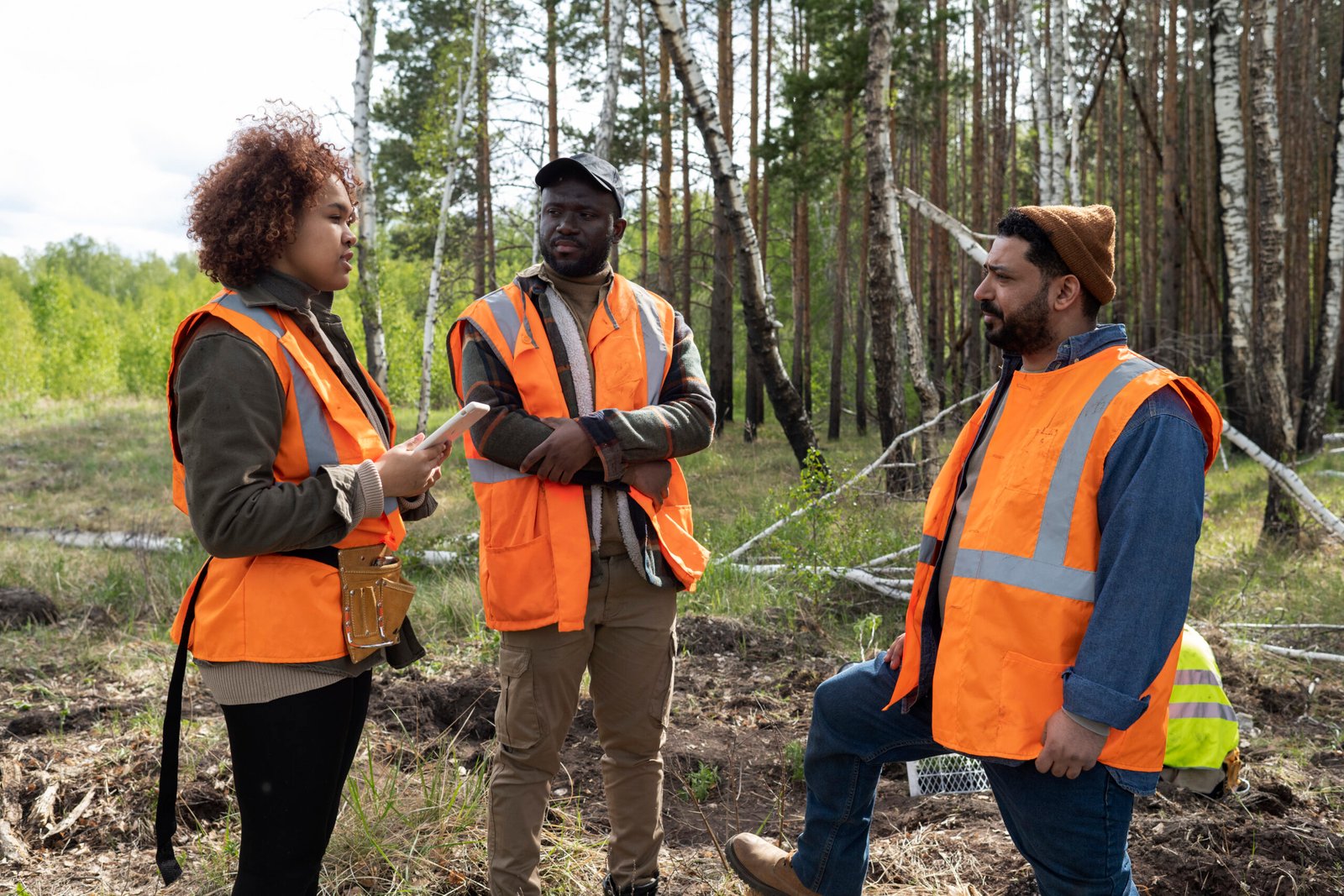
Disasters, whether natural or man-made, strike without warning and demand immediate, coordinated responses. The effectiveness of disaster response is heavily dependent on the capabilities, training, and resilience of the disaster management crew. These professionals, often working under extreme stress, are tasked with saving lives, mitigating property damage, and restoring communities in the aftermath of crises. Yet, despite their critical role, disaster management teams frequently face challenges such as lack of adequate resources, insufficient training, mental fatigue, and technological gaps. Empowering these crews is not merely a matter of providing equipment or financial support; it involves a comprehensive approach that combines advanced training, robust technology, psychological support, and strong community engagement. By investing in their capabilities, we not only enhance their efficiency but also ensure more resilient societies capable of facing future emergencies with confidence and coordination.
The Role of Training and Skill Development
One of the most fundamental ways to empower the disaster management crew is through rigorous training and continuous skill development. Disaster scenarios are unpredictable, ranging from earthquakes, floods, and hurricanes to industrial accidents and chemical spills. Each scenario demands a unique set of skills and a precise understanding of protocols. Regular simulation exercises, disaster drills, and scenario-based training allow crew members to hone their decision-making abilities under pressure. Furthermore, training programs should incorporate advanced techniques such as drone operations, data analysis for predictive modeling, and emergency medical response. By equipping crews with specialized knowledge and practical experience, we not only improve their technical efficiency but also build confidence, ensuring that they remain calm, decisive, and effective in real-life emergencies.
Leveraging Technology for Enhanced Response
Technology plays an increasingly vital role in modern disaster management. From satellite imaging to real-time weather monitoring, predictive analytics, and AI-driven risk assessments, technological advancements can significantly augment the crew’s capacity to respond swiftly and effectively. Equipping disaster management teams with mobile command centers, GIS mapping tools, and automated communication systems allows for better coordination and resource allocation. Additionally, wearable devices that monitor vital signs can protect the health and safety of crew members during prolonged operations in hazardous environments. By integrating technology into daily operations, disaster crews are empowered not only to act faster but also to make data-driven decisions that reduce risks and save lives.
Mental Health and Emotional Resilience
Disaster management work is inherently stressful and often exposes personnel to traumatic situations. Constant exposure to human suffering, high-stakes decision-making, and physically demanding tasks can lead to burnout, anxiety, and even post-traumatic stress disorder (PTSD). To truly empower these crews, organizations must prioritize mental health and emotional resilience. Providing access to counseling, peer support networks, stress management workshops, and scheduled downtime ensures that team members can recover and maintain peak performance. Encouraging a culture where mental health is openly discussed reduces stigma and helps build resilient teams capable of maintaining operational efficiency even under prolonged crisis conditions.
Strengthening Resource Allocation and Infrastructure
Empowerment is incomplete without ensuring that disaster management crews have access to essential resources and infrastructure. This includes vehicles, rescue equipment, medical supplies, communication devices, and protective gear. Governments and organizations must prioritize budget allocation to maintain a state of readiness, ensuring that crews are not hindered by logistical shortcomings. Moreover, establishing regional hubs with pre-positioned resources allows for rapid deployment during emergencies, reducing response time and increasing effectiveness. By guaranteeing that the crew is adequately equipped and supported, we not only enhance their operational capacity but also increase morale, fostering a sense of preparedness and confidence.
Community Engagement and Collaboration
Empowering disaster management crews extends beyond internal capabilities—it involves strong collaboration with the communities they serve. Public awareness campaigns, first aid training for civilians, volunteer mobilization, and clear communication channels create a cooperative environment that complements professional efforts. Community engagement helps crews by providing additional manpower, local knowledge, and early warnings. When disaster management teams work hand-in-hand with citizens, they gain valuable insights and logistical support, ultimately improving response outcomes. This partnership fosters trust, encourages proactive preparedness, and strengthens the overall resilience of society against future disasters.
Policy Support and Continuous Improvement
Finally, policy frameworks and institutional support are critical for sustaining empowered disaster management crews. Governments and agencies must invest in legislation that prioritizes disaster preparedness, ensures adequate funding, and supports professional development. Regular audits, performance reviews, and feedback loops help identify gaps and improve operational strategies. By institutionalizing continuous learning and adaptation, disaster management crews are not only empowered to meet today’s challenges but also equipped to anticipate and respond to emerging threats in the future.
Conclusion
Empowering the disaster management crew requires a holistic approach that combines training, technology, mental health support, resource allocation, community collaboration, and strong policy backing. These professionals operate on the frontlines of human safety, and their preparedness directly impacts the resilience and recovery of communities affected by disasters. By investing in their skills, welfare, and capabilities, we ensure not only a more effective emergency response but also a society better equipped to withstand, recover from, and thrive in the face of calamities. True empowerment lies in the seamless integration of knowledge, tools, support, and collaboration—creating a disaster management workforce that is confident, capable, and compassionate.
Frequently Asked Questions (FAQs)
Q1: Why is continuous training important for disaster management crews?
Continuous training ensures that crew members are prepared for a wide range of unpredictable scenarios, improves decision-making under pressure, and keeps them updated with the latest rescue techniques and technology. Without regular skill enhancement, crews may struggle to respond efficiently during emergencies.
Q2: How does technology empower disaster management teams?
Technology enables better situational awareness, faster communication, data-driven decision-making, and safer operations. Tools like drones, predictive analytics, and GIS mapping allow crews to act with precision and efficiency, ultimately saving lives and reducing property damage.
Q3: What role does mental health play in disaster management?
Mental health is crucial because the work is highly stressful and emotionally taxing. Supporting mental well-being prevents burnout, improves performance, and ensures that crew members remain resilient and effective during prolonged or high-pressure disaster situations.
Q4: How can communities assist disaster management crews?
Communities can help by participating in awareness programs, volunteering during emergencies, providing local knowledge, and following safety protocols. Collaboration reduces the burden on professionals and enhances the overall efficiency and effectiveness of disaster response efforts.
Q5: What policies are essential to support disaster management crews?
Policies should ensure adequate funding, mandatory training, access to resources, mental health support, and continuous performance evaluation. These policies institutionalize preparedness and empower crews to respond effectively to both current and future disasters.
