
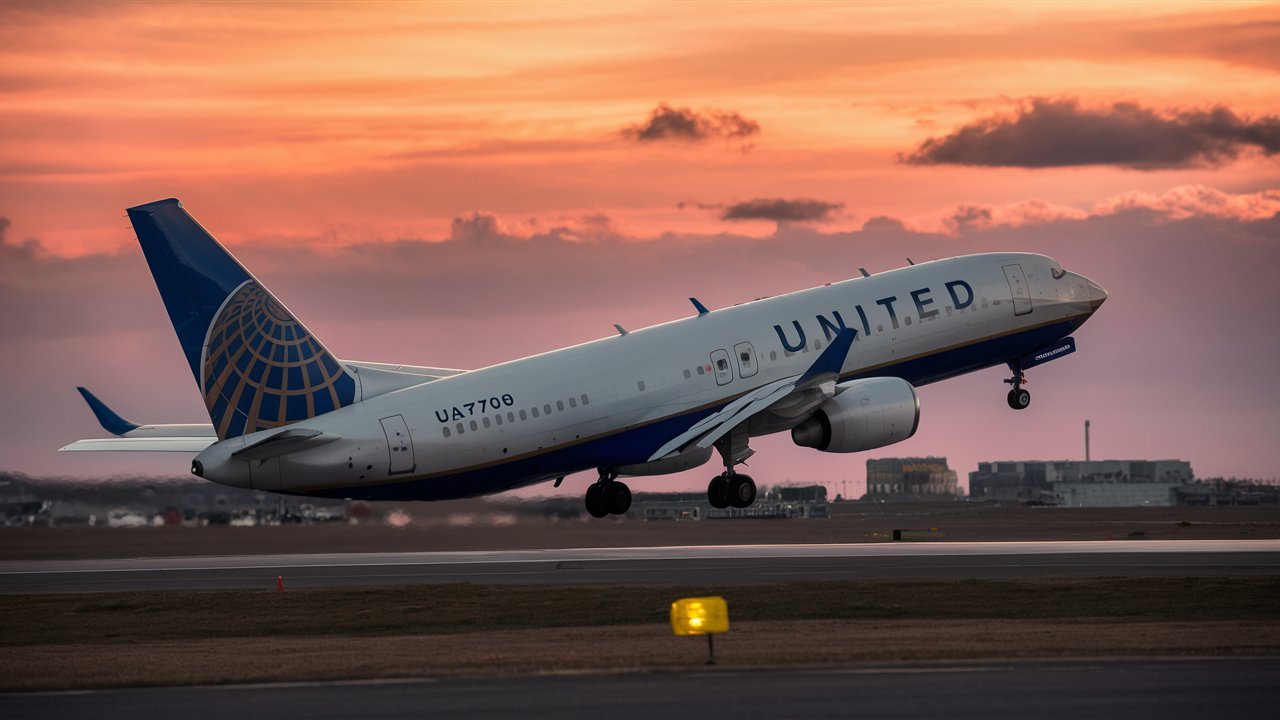
The phrase “United Airlines Flight UA770 emergency diversion” immediately captures attention because it combines two powerful elements: a major international carrier and an unexpected operational event. When passengers board a commercial aircraft operated by United Airlines, they expect efficiency, safety, and a smooth journey to their destination. However, aviation is a complex industry where unforeseen circumstances can arise mid-flight, sometimes requiring an emergency diversion to ensure the safety of everyone on board. Understanding what an emergency diversion entails, why it happens, and how airlines respond can help passengers feel more informed and confident about air travel.
This article explores the details surrounding United Airlines Flight UA770 emergency diversion, examines the possible reasons behind such decisions, discusses how airlines manage emergency protocols, and answers frequently asked questions about in-flight diversions. By the end, readers will gain a deeper understanding of how safety remains the top priority in commercial aviation, even when travel plans change unexpectedly.
United Airlines Flight UA770 Emergency Diversion: What Happened?
When discussing United Airlines Flight UA770 emergency diversion, it is important to first understand what the term actually means. An emergency diversion occurs when an aircraft changes its planned route and lands at an alternate airport due to an unexpected issue. In the case of UA770, the diversion was initiated as a precautionary measure, reflecting the airline’s commitment to safety rather than signaling a catastrophic event. Commercial airlines operate under strict regulatory frameworks that require pilots to make conservative decisions whenever potential risks arise.
Diversions can happen for various reasons, including mechanical irregularities, medical emergencies among passengers or crew, weather disruptions, or security concerns. In many situations, the aircraft itself remains fully operational, but even minor technical indicators can prompt pilots to divert. This demonstrates the aviation industry’s “better safe than sorry” philosophy. Rather than risking continued flight under uncertain conditions, flight crews choose the nearest suitable airport for inspection and resolution.
For passengers on UA770, the emergency diversion likely caused temporary concern and inconvenience. However, it is crucial to recognize that such decisions are not signs of failure but rather evidence of safety systems working as designed. Pilots are extensively trained to manage these situations calmly and efficiently, coordinating with air traffic control and ground support teams to ensure a smooth landing at the alternate airport.
Why Emergency Diversions Happen in Commercial Aviation
To fully understand United Airlines Flight UA770 emergency diversion, one must consider the broader context of aviation safety. Modern aircraft are equipped with advanced monitoring systems that constantly track engine performance, cabin pressure, fuel efficiency, and numerous other parameters. If any irregularity is detected, cockpit alerts inform pilots immediately. In many cases, these alerts indicate minor issues that could be resolved after landing, but the safest course of action may still involve diverting the flight.
Weather is another major factor that can lead to diversions. Severe storms, strong crosswinds, or reduced visibility at the destination airport can make landing unsafe. In such cases, pilots may choose an alternate airport with better conditions. Additionally, passenger medical emergencies are among the most common reasons for diversions. If someone on board requires urgent medical attention, landing at the nearest airport allows emergency responders to provide immediate care.
It is also important to highlight the role of regulatory oversight. Aviation authorities enforce strict operational standards that prioritize passenger safety above schedule adherence. Airlines like United Airlines maintain detailed contingency plans, ensuring that alternative airports, maintenance teams, and customer service staff are prepared to handle diverted flights efficiently.
The Safety Protocols Behind United Airlines Flight UA770 Emergency Diversion
Safety is the foundation of commercial aviation, and United Airlines Flight UA770 emergency diversion underscores the effectiveness of established protocols. Pilots undergo rigorous training in simulators that replicate emergency scenarios, including engine malfunctions, cabin depressurization, and system alerts. This training ensures that crews can respond decisively and professionally under pressure.
When a diversion decision is made, communication becomes critical. The flight crew informs passengers about the situation, coordinates with air traffic control for priority landing clearance, and alerts ground operations at the diversion airport. Maintenance technicians are often positioned in advance to inspect the aircraft upon arrival. In the case of UA770, these procedures would have been executed systematically, minimizing risk and confusion.
Passengers may notice emergency vehicles positioned near the runway during landing, but this is standard practice during precautionary diversions. Their presence does not necessarily indicate danger; rather, it ensures immediate response capability if needed. Such layered safety measures demonstrate how redundancy and preparation are central to aviation reliability.
Passenger Experience During the United Airlines Flight UA770 Emergency Diversion
For travelers, an unexpected diversion can be stressful. However, airlines typically provide support through rebooking assistance, meal vouchers, or accommodations if required. The experience of United Airlines Flight UA770 emergency diversion likely included updates from cabin crew, clear instructions, and logistical support after landing.
Airlines understand that transparency helps reduce anxiety. Clear explanations about the reason for diversion, expected delays, and next steps are essential in maintaining passenger trust. While delays can disrupt travel plans, the overwhelming majority of passengers appreciate that safety decisions are made in their best interest.
Conclusion
The United Airlines Flight UA770 emergency diversion serves as a powerful reminder that aviation safety systems are designed to anticipate and manage unexpected situations. While diversions can cause inconvenience, they are proactive decisions rooted in caution and responsibility. Airlines such as United Airlines operate within strict safety frameworks that empower pilots to prioritize lives over schedules at every stage of a flight.
Understanding the reasons behind emergency diversions—whether mechanical, medical, or weather-related—helps demystify these events and reinforces confidence in air travel. Ultimately, an emergency diversion is not a sign of failure but a testament to the effectiveness of aviation safety protocols working exactly as intended.
Frequently Asked Questions (FAQs)
1. What does “emergency diversion” mean in aviation?
An emergency diversion occurs when a flight changes its original route and lands at an alternate airport due to safety concerns, technical issues, medical emergencies, or severe weather conditions.
2. Was United Airlines Flight UA770 in serious danger?
In most cases, diversions are precautionary. Airlines prefer to land early and inspect an issue rather than risk continuing the journey under uncertain conditions.
3. Do passengers receive compensation after a diversion?
Compensation policies vary depending on the cause and regulations. Airlines may provide rebooking options, meals, or accommodation if necessary.
4. How common are emergency diversions?
Diversions are relatively rare compared to the total number of daily flights worldwide. However, when they occur, they are handled according to strict safety procedures.
5. Are aircraft thoroughly checked after a diversion?
Yes. After landing at the alternate airport, maintenance teams inspect the aircraft to identify and resolve the issue before it resumes service.
