
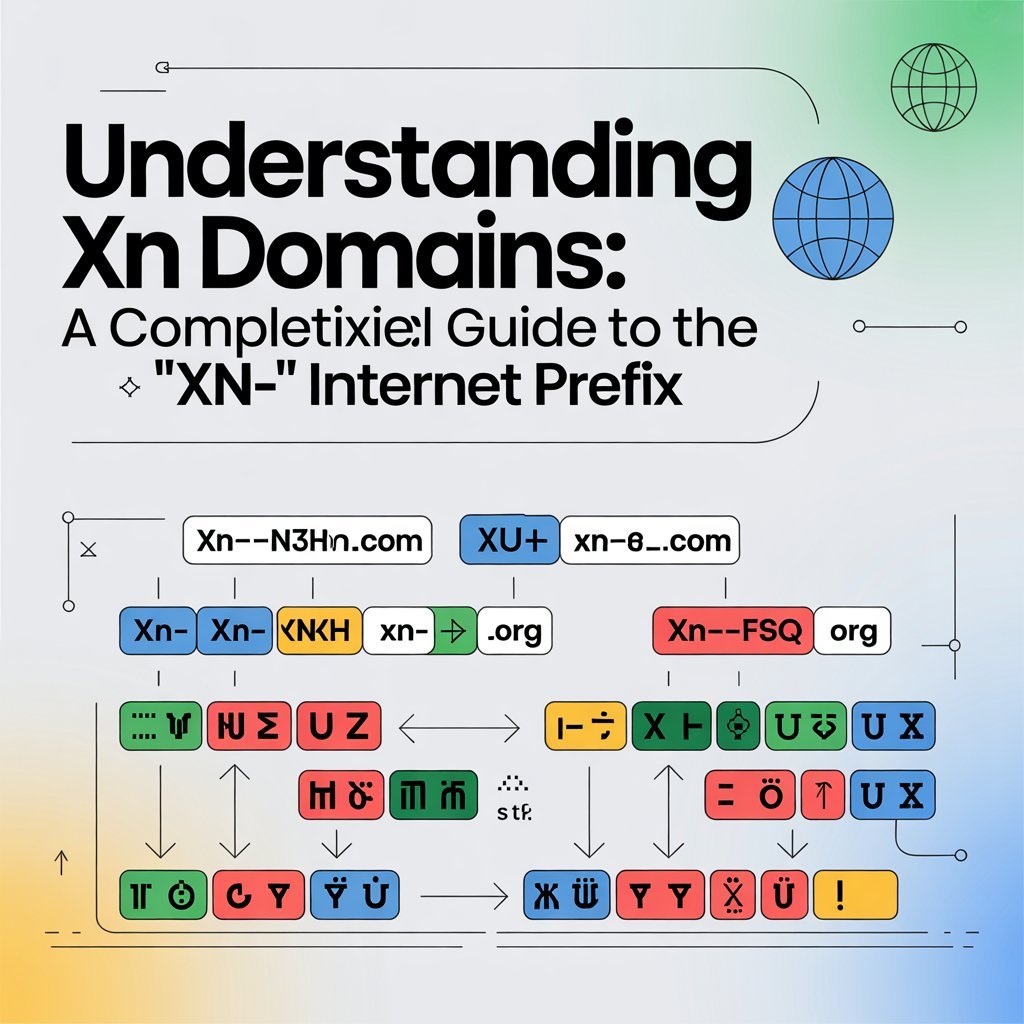
When browsing the internet, you may occasionally notice domain names that begin with the characters “xn--”. At first glance, these domains can appear confusing or even suspicious, especially for users who are unfamiliar with how international web addresses work. However, these prefixes are actually part of an important system that allows people around the world to use their own languages and scripts in domain names. The “xn--” prefix is closely connected to internationalized domain names (IDNs) and the encoding method that allows non-Latin characters to function within the standard Domain Name System (DNS).
The modern internet serves billions of users who speak different languages and use many writing systems, including Arabic, Chinese, Cyrillic, Hindi, and many more. In order to support these scripts while maintaining compatibility with the traditional ASCII-based DNS infrastructure, a technical solution was developed. That solution uses the Punycode encoding system, which converts international characters into a format that begins with “xn--”. This article explains what XN domains are, how they work, why they exist, their benefits and risks, and how users and website owners interact with them.
What Does XN Mean in a Domain Name?
The term “XN” in a domain name typically appears as “xn--”, which is a prefix used to indicate that the domain is encoded using the Punycode system. Punycode is a method that converts Unicode characters—such as letters from Arabic, Chinese, or other non-Latin scripts—into ASCII characters that the traditional internet infrastructure can understand. Because the Domain Name System was originally designed to handle only a limited set of characters (a–z, 0–9, and hyphens), there needed to be a bridge between modern multilingual text and this older system.
For example, a domain written in a language like Chinese or Arabic may contain characters that cannot directly be used in DNS. When encoded using Punycode, the domain begins with the “xn--” prefix followed by a sequence of letters and numbers representing the original characters. Web browsers automatically convert the encoded version back into the readable language for the user, making the process almost invisible during normal browsing.
The Role of Internationalized Domain Names (IDNs)
The concept behind XN domains is closely connected to Internationalized Domain Names. IDNs allow people to register and use domain names written entirely in their native scripts. This innovation is crucial for making the internet more accessible to global populations who may not use the Latin alphabet.
Organizations like Internet Corporation for Assigned Names and Numbers (ICANN) support IDNs because they promote linguistic diversity online. Without this system, users would be forced to use Latin-based spellings for domain names, which could be confusing or difficult for speakers of other languages. IDNs ensure that websites can appear exactly as intended in languages such as Arabic, Chinese, Russian, Japanese, and many others.
Behind the scenes, however, every IDN is stored in the DNS using its encoded “xn--” format. This ensures compatibility with existing internet infrastructure while still allowing users to see and type the domain in their own language.
How Punycode Encoding Works
The technical mechanism that powers XN domains is Punycode, which transforms Unicode characters into ASCII text. This process works by analyzing the characters in the domain and converting them into a standardized format that DNS servers can process. Once encoded, the domain receives the “xn--” prefix to signal that it has been converted.
For example, a domain written in Japanese characters might appear normally in a browser address bar. However, internally it is stored and transmitted using its encoded form starting with “xn--”. When a browser encounters such a domain, it decodes the Punycode back into the original characters so users can view the domain in its natural script.
This system ensures global compatibility. Even though the internet was originally built using ASCII-based standards, modern technologies like Punycode make it possible to incorporate thousands of additional characters from different writing systems without redesigning the entire DNS architecture.
Benefits of XN Domains
XN domains provide several important advantages for the global internet community. First and foremost, they promote accessibility by allowing users to navigate the web in their native languages. This is particularly valuable in regions where the Latin alphabet is not commonly used. People can type domain names exactly as they would write them in their everyday language, making websites easier to remember and access.
Another benefit is branding. Businesses that operate internationally can register domain names that match their brand in multiple languages. For example, a company may register both a Latin-based domain and an IDN version in Arabic or Chinese. This helps organizations reach wider audiences and establish stronger connections with local markets.
Additionally, XN domains support digital inclusivity. As more communities gain internet access, being able to use local scripts online encourages participation and improves the overall user experience.
Security Concerns and Homograph Attacks
While XN domains provide many advantages, they also introduce certain security concerns. One notable risk is the possibility of homograph attacks, where malicious actors create domains that visually resemble legitimate websites using characters from different alphabets. For instance, some Cyrillic or Greek letters look very similar to Latin letters, which can trick users into visiting fake websites.
Security researchers and organizations like Internet Engineering Task Force have developed guidelines to help mitigate these risks. Modern browsers often detect suspicious domain combinations and display warnings or show the encoded “xn--” version instead of the decoded script. This helps users recognize potentially unsafe websites.
Users can also protect themselves by carefully checking URLs, using trusted bookmarks, and ensuring that secure websites display proper HTTPS encryption.
How Browsers Handle XN Domains
Modern web browsers automatically process XN domains without requiring any action from users. When someone types a domain name containing non-Latin characters, the browser converts it into its Punycode form before sending the request to DNS servers. After receiving the response, the browser displays the domain in its readable format.
Browsers such as Google Chrome, Mozilla Firefox, and Microsoft Edge include built-in mechanisms to determine when to show the decoded version or the encoded “xn--” version. This decision is often based on security policies and language settings.
As a result, most users never notice the underlying encoding system unless they inspect the raw domain name or encounter a situation where the browser displays the encoded form.
XN Domains and Global Internet Growth
The use of XN domains has played an important role in the expansion of the internet into regions with diverse languages and writing systems. By supporting IDNs, global internet governance organizations have helped ensure that the web remains inclusive and accessible.
As more countries expand their digital infrastructure and more people come online, the demand for domain names in native scripts continues to grow. XN domains are a technical solution that makes this multilingual environment possible while maintaining compatibility with long-established internet standards.
In the future, the use of internationalized domains will likely increase even further as businesses, governments, and individuals adopt domain names that reflect their linguistic and cultural identities.
Conclusion
XN domains, recognized by the “xn--” prefix, are an essential part of the modern internet’s infrastructure. They allow domain names written in non-Latin scripts to function within the traditional ASCII-based DNS system through the use of Punycode encoding. This technology supports internationalized domain names, enabling users around the world to access websites in their own languages while maintaining compatibility with existing internet protocols.
Although there are some security considerations, modern browsers and internet organizations have implemented safeguards to minimize potential risks. Ultimately, XN domains help create a more inclusive, multilingual internet where people from different cultures and language backgrounds can participate equally in the digital world.
Frequently Asked Questions (FAQs)
1. What does “xn--” mean in a website address?
The “xn--” prefix indicates that the domain name is encoded using the Punycode system. It represents an internationalized domain name that contains characters from non-Latin scripts.
2. Why are XN domains used?
XN domains allow domain names written in languages such as Arabic, Chinese, or Russian to function within the traditional DNS system, which originally supported only ASCII characters.
3. Are XN domains safe to visit?
Most XN domains are legitimate and simply represent websites written in different languages. However, users should always verify website authenticity to avoid potential homograph attacks.
4. Do users see the “xn--” prefix in browsers?
Usually no. Modern browsers automatically decode the domain and display the readable version in the appropriate language, unless a security warning requires showing the encoded format.
5. Who manages the standards for internationalized domain names?
Organizations such as ICANN and the Internet Engineering Task Force (IETF) develop and maintain the technical standards that allow IDNs and XN domains to function correctly.
