
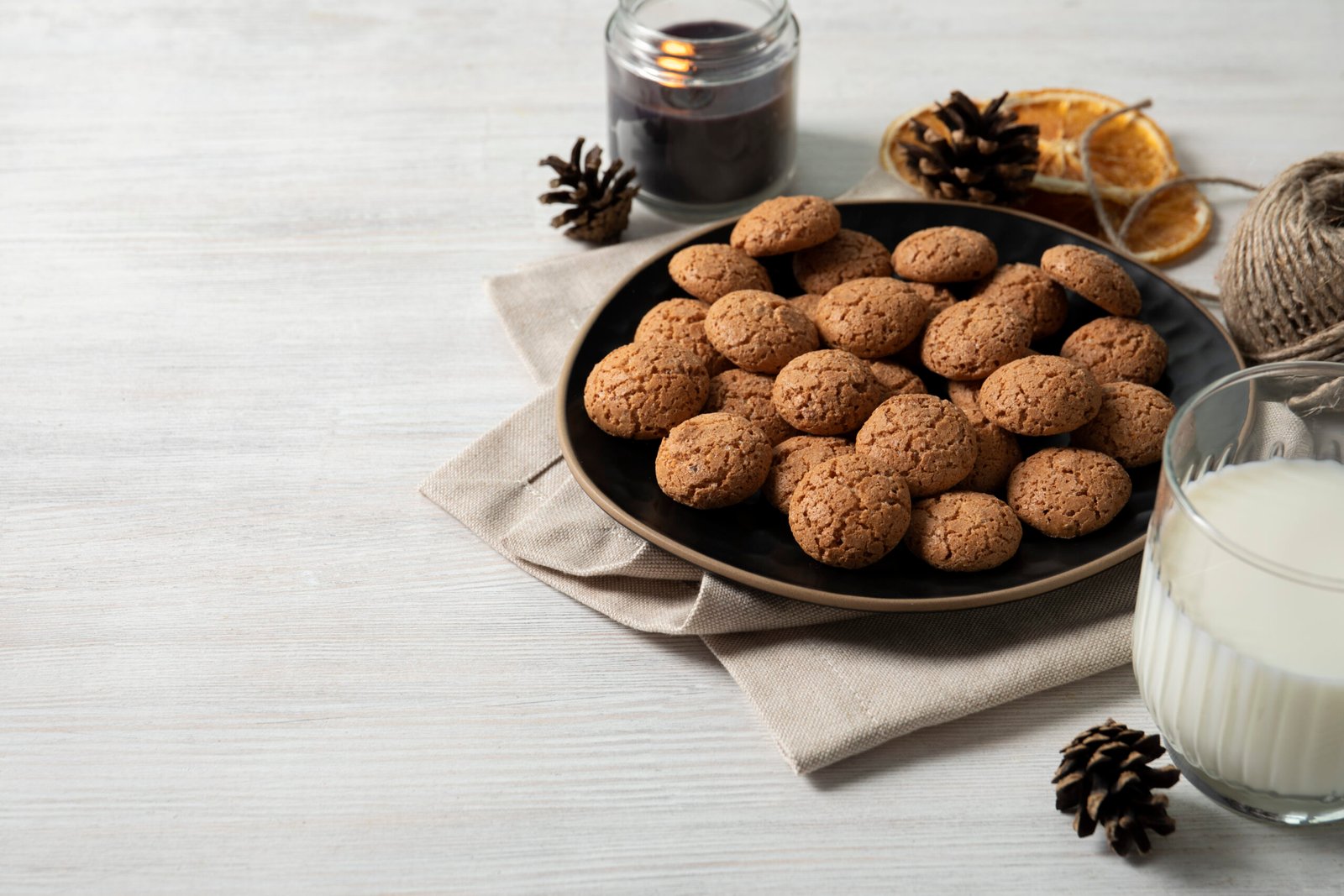
Peanut butter balls are one of those timeless treats that feel both nostalgic and endlessly satisfying. Loved for their creamy texture, rich peanut butter flavor, and irresistible chocolate coating, peanut butter balls have earned a permanent place in dessert culture across many households. Whether they are prepared for holidays, special gatherings, or simple weeknight cravings, these no-bake treats are known for being easy to make while still delivering bakery-level indulgence. What makes peanut butter balls especially appealing is their versatility—you can keep them traditional, make them healthier, or customize them with creative flavors and toppings. This article explores everything you need to know about peanut butter balls, from their ingredients and preparation to variations, storage tips, and common questions.
What Are Peanut Butter Balls?
Peanut butter balls are bite-sized dessert snacks made primarily from peanut butter, a sweetener such as powdered sugar or honey, and a binding ingredient like butter or crushed biscuits. These ingredients are mixed together, shaped into small balls, and often coated in melted chocolate for an extra layer of flavor and texture. Unlike baked desserts, peanut butter balls typically require no oven time, making them accessible even for beginners in the kitchen. The contrast between the smooth peanut butter filling and the crisp chocolate shell is what makes peanut butter balls so popular, delivering a balanced taste that is neither too sweet nor too heavy.
Ingredients Used in Peanut Butter Balls
The ingredients for peanut butter balls are simple, which is part of their charm. Peanut butter is the star of the recipe, and creamy peanut butter is most commonly used to achieve a smooth and rich filling, although crunchy peanut butter can add texture. Sweeteners such as powdered sugar, condensed milk, or natural alternatives like honey or maple syrup provide sweetness and structure. Butter helps bind the mixture together and adds richness, while chocolate—dark, milk, or white—is often melted and used as a coating. Optional ingredients like vanilla extract, crushed graham crackers, oats, or coconut flakes can enhance flavor and texture, allowing peanut butter balls to be easily customized.
How to Make Peanut Butter Balls at Home
Making peanut butter balls at home is a straightforward process that requires minimal equipment and time. The first step is mixing peanut butter with the chosen sweetener and butter until a thick, uniform dough forms. Once the mixture is well combined, it is chilled briefly to make shaping easier. Small portions are then rolled by hand into evenly sized balls, ensuring consistency in appearance and texture. After shaping, the balls are dipped into melted chocolate and placed on parchment paper to set. Chilling them again helps the chocolate harden and locks in their shape. This simple process is one of the main reasons peanut butter balls are so popular for last-minute desserts or holiday preparation.
Popular Variations of Peanut Butter Balls
One of the greatest strengths of peanut butter balls is how adaptable they are. Traditional peanut butter balls are often coated in milk chocolate, but dark chocolate versions are popular among those who prefer a richer, less sweet taste. Health-conscious variations may use natural peanut butter, oats, and honey, skipping refined sugar altogether. Some recipes incorporate protein powder to turn peanut butter balls into energy bites, making them suitable for fitness enthusiasts. Others add festive touches such as sprinkles, crushed nuts, or cocoa powder coatings for special occasions. These variations ensure that peanut butter balls can suit a wide range of dietary preferences and flavor profiles.
Why Peanut Butter Balls Are So Popular
Peanut butter balls remain popular because they combine convenience, flavor, and nostalgia in one small treat. They require no baking, making them accessible to people of all skill levels, and they use pantry-friendly ingredients that are easy to find. Their long shelf life compared to many desserts makes them ideal for meal prep, gifting, and holidays. Additionally, peanut butter balls appeal to all age groups, from children who enjoy their sweetness to adults who appreciate their rich, comforting taste. This universal appeal has helped peanut butter balls remain a staple dessert for generations.
Storage and Shelf Life of Peanut Butter Balls
Proper storage is essential to maintaining the taste and texture of peanut butter balls. Once fully set, they can be stored in an airtight container in the refrigerator, where they typically last up to one week. For longer storage, peanut butter balls can be frozen for several weeks without losing quality, making them perfect for advance preparation. When freezing, it is best to separate layers with parchment paper to prevent sticking. Allowing them to thaw slightly before serving ensures the filling remains soft and enjoyable while the chocolate coating stays intact.
Conclusion
Peanut butter balls are a perfect example of how simple ingredients can come together to create something truly special. Their ease of preparation, customizable nature, and universally loved flavor make them an ideal dessert for nearly any occasion. Whether you enjoy them as a classic chocolate-coated treat, a healthier energy bite, or a festive holiday dessert, peanut butter balls offer endless possibilities. By understanding their ingredients, variations, and storage methods, anyone can confidently prepare peanut butter balls that are delicious, visually appealing, and satisfying every time.
Frequently Asked Questions About Peanut Butter Balls
What is the best peanut butter to use for peanut butter balls?
Creamy peanut butter is generally the best choice because it creates a smooth and cohesive filling, but crunchy peanut butter can be used for added texture if desired.
Do peanut butter balls need to be baked?
No, peanut butter balls are typically no-bake treats, which makes them quick and easy to prepare without an oven.
Can peanut butter balls be made healthier?
Yes, peanut butter balls can be made healthier by using natural peanut butter, honey or maple syrup as a sweetener, and adding oats or protein powder.
How long do peanut butter balls last?
When stored in an airtight container in the refrigerator, peanut butter balls usually last up to one week, and they can last several weeks when frozen.
Can I make peanut butter balls without chocolate?
Yes, peanut butter balls can be enjoyed without chocolate by rolling them in cocoa powder, coconut flakes, or simply leaving them plain.
