
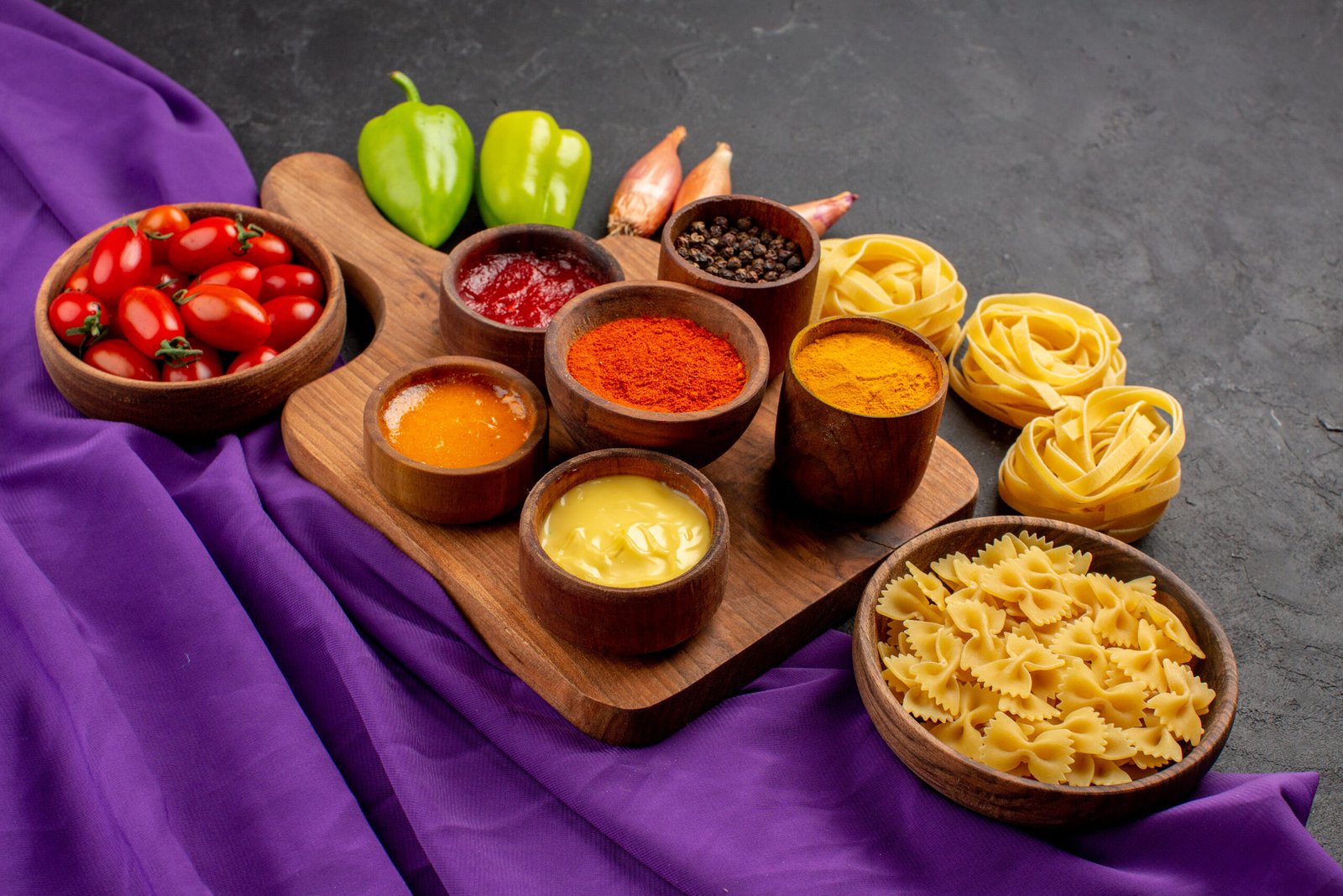
The phrase 1000 sauces represents more than just a number; it symbolizes the incredible diversity, creativity, and cultural depth found in sauces across the world. From ancient civilizations to modern kitchens, sauces have played a crucial role in transforming simple ingredients into memorable meals. Whether it’s a spicy chili sauce, a creamy garlic dip, or a tangy vinegar-based dressing, sauces bring balance, aroma, texture, and personality to food. The concept of 1000 sauces highlights how nearly every culture has developed its own unique blends using local spices, herbs, fermentation techniques, and cooking traditions, making sauces a universal language of flavor that connects cuisines globally.
What Does “1000 Sauces” Mean?
The term 1000 sauces is often used to describe a vast and diverse collection of sauces rather than a literal count. It reflects the idea that there are countless variations of sauces available worldwide, each with its own identity, purpose, and history. Some sauces are designed to enhance meat, others to complement vegetables, while many act as marinades, dips, or finishing touches. From classic staples like tomato sauce and soy sauce to niche regional blends known only in specific towns or families, 1000 sauces captures the endless possibilities that exist in culinary creativity and experimentation.
The History Behind 1000 Sauces
The story of 1000 sauces can be traced back thousands of years to early civilizations that sought ways to preserve food and improve flavor. Ancient Romans used fermented fish sauce known as garum, while Chinese cultures developed soy-based sauces through fermentation. In the Middle East, sauces made from yogurt, tahini, and herbs became essential to daily meals. Over time, trade routes allowed spices and techniques to travel across continents, expanding the variety of sauces available. This historical evolution laid the foundation for what we now recognize as a global library of sauces, easily reaching into the hundreds and beyond.
Popular Categories Within 1000 Sauces
When discussing 1000 sauces, it helps to break them down into categories to understand their culinary roles. There are hot sauces that focus on heat and spice, such as chili and pepper sauces. There are savory sauces like gravy, demi-glace, and soy-based blends that add depth and umami. Sweet sauces, including caramel, chocolate, and fruit reductions, are often used in desserts. Emulsified sauces such as mayonnaise and aioli rely on technique, while fermented sauces like miso and fish sauce depend on time. Each category contributes to the massive diversity represented by the idea of 1000 sauces.
Global Cuisines and Their Signature Sauces
One of the most exciting aspects of 1000 sauces is how different regions of the world have developed signature sauces that define their cuisines. Italian cooking is inseparable from tomato-based sauces and pesto, while French cuisine is famous for its classic “mother sauces.” Asian cuisines showcase soy sauce, oyster sauce, hoisin, and curry pastes. Latin American food features salsa, mole, and chimichurri, while African cuisines highlight peanut sauces, peri-peri, and spicy stews. Each sauce reflects the climate, agriculture, and traditions of its region, making sauces a powerful expression of cultural identity.
How 1000 Sauces Enhance Cooking Creativity
The concept of 1000 sauces inspires home cooks and professional chefs alike to experiment and innovate. A single sauce can completely change the flavor profile of a dish, turning leftovers into something exciting and new. Sauces allow flexibility in cooking, making it possible to adapt recipes to personal taste preferences or dietary needs. Mixing different sauces or adjusting ingredients like herbs, spices, and acidity opens the door to endless customization. This creative freedom is why sauces remain one of the most valuable tools in any kitchen.
Homemade vs Store-Bought Sauces
Within the world of 1000 sauces, there is often a debate between homemade and store-bought options. Homemade sauces offer freshness, control over ingredients, and the ability to customize flavors, while store-bought sauces provide convenience and consistency. Many modern brands focus on quality, using traditional recipes and natural ingredients to replicate homemade taste. Understanding both options allows cooks to choose what best fits their lifestyle while still enjoying the variety that 1000 sauces represent.
Health and Nutrition Considerations of 1000 Sauces
Not all sauces are created equal when it comes to nutrition, and the vast selection within 1000 sauces includes both healthy and indulgent options. Some sauces are high in sugar, salt, or fat, while others are rich in antioxidants, probiotics, and essential nutrients. Yogurt-based, herb-based, and fermented sauces can offer health benefits when consumed in moderation. Reading labels, controlling portions, and preparing sauces at home are effective ways to enjoy sauces without compromising health goals.
The Future of 1000 Sauces
As global food culture continues to evolve, the idea of 1000 sauces is expanding even further. Fusion cuisine, plant-based diets, and sustainability trends are influencing the development of new sauces made from alternative ingredients. Chefs and food innovators are blending flavors from different cultures to create entirely new sauce experiences. With growing interest in global cooking and home experimentation, the number of sauces available worldwide will continue to grow, making the concept of 1000 sauces more relevant than ever.
Conclusion: Why 1000 Sauces Matter
The world of 1000 sauces represents the heart of culinary expression, bringing together history, culture, creativity, and flavor. Sauces have the power to transform food, tell stories, and connect people across borders. Whether you are exploring traditional recipes or inventing your own blends, understanding and appreciating sauces opens up a richer and more enjoyable cooking experience. The idea of 1000 sauces reminds us that there is always something new to taste, learn, and discover in the world of food.
Frequently Asked Questions (FAQs)
What is meant by 1000 sauces?
The term 1000 sauces refers to the vast variety of sauces available worldwide, symbolizing endless culinary possibilities rather than a fixed number.
Are there really 1000 different sauces?
Yes, when considering global cuisines, regional recipes, and variations, the number of unique sauces easily exceeds 1000.
Why are sauces important in cooking?
Sauces add flavor, moisture, texture, and balance to dishes, often defining the identity of a meal or cuisine.
Can beginners make sauces at home?
Absolutely. Many sauces are simple to prepare and require basic ingredients, making them ideal for beginners.
Are sauces healthy to eat daily?
Some sauces are healthy when consumed in moderation, especially those made with natural ingredients and minimal additives.
