
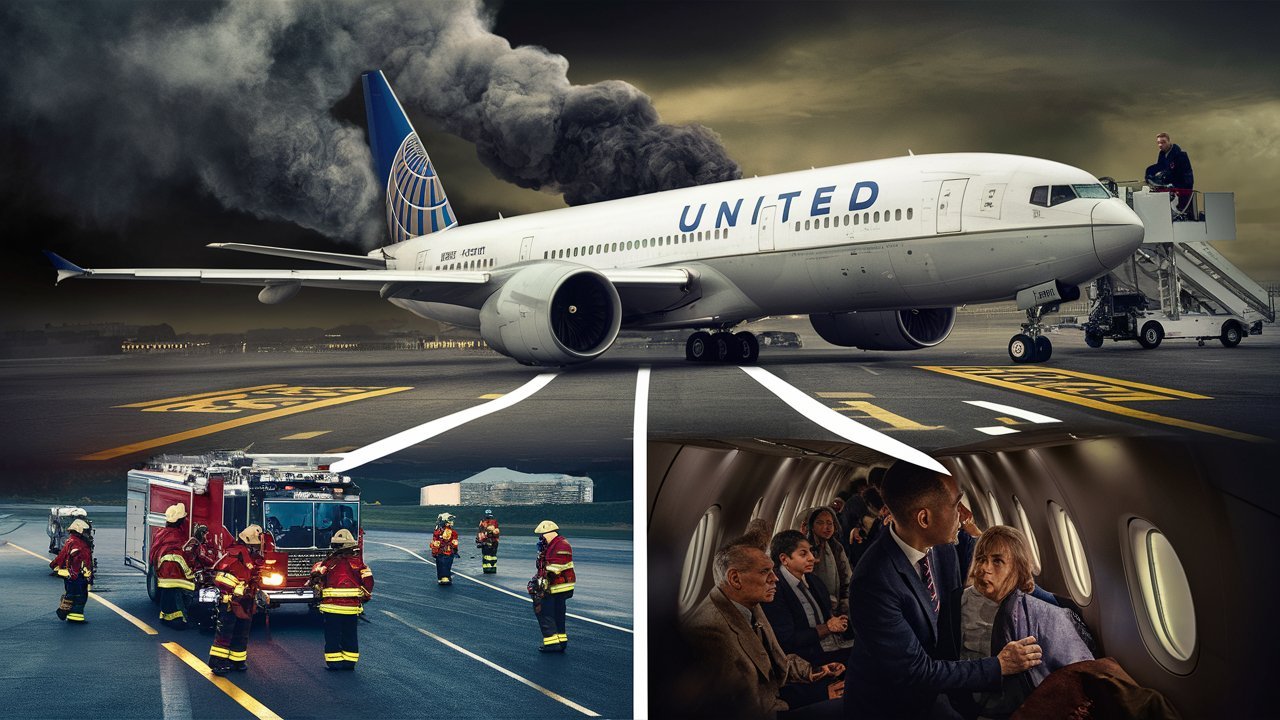
The phrase “United Airlines Flight UA770 emergency diversion” immediately captures attention because it combines the routine nature of commercial aviation with the unexpected tension of an in-flight emergency. Air travel is widely regarded as one of the safest modes of transportation in the world, yet incidents requiring emergency diversions remind passengers that aviation safety depends on careful procedures, rapid decision-making, and highly trained crews. When a flight like United Airlines Flight UA770 is forced to divert from its scheduled route, it is not a sign of failure but rather a demonstration of how safety systems are designed to prioritize human life above all else. This article explores the possible reasons behind the United Airlines Flight UA770 emergency diversion, the standard aviation protocols involved, how airlines respond to such situations, and what passengers can expect when an emergency landing becomes necessary.
Overview of United Airlines Flight UA770 Emergency Diversion
The United Airlines Flight UA770 emergency diversion refers to a situation in which a scheduled flight operated by United Airlines was redirected from its original destination due to an unforeseen in-flight issue. Emergency diversions can occur for several reasons, including mechanical irregularities, medical emergencies, weather-related hazards, or security concerns. In most cases, the flight crew identifies a condition that warrants precautionary action and chooses to land at the nearest suitable airport rather than continue the journey. Such decisions are made in coordination with air traffic control and airline operations teams to ensure that the aircraft lands safely and efficiently.
While passengers may experience anxiety during an emergency diversion, it is important to understand that aviation systems are built with redundancy and strict protocols. Pilots undergo extensive training to manage abnormal situations, and aircraft are equipped with sophisticated monitoring systems that alert crews to even minor irregularities. Therefore, when United Airlines Flight UA770 executed an emergency diversion, it was likely a proactive safety measure rather than a last-minute crisis response.
Possible Causes Behind the United Airlines Flight UA770 Emergency Diversion
There are several common scenarios that could lead to a United Airlines Flight UA770 emergency diversion, and understanding these possibilities provides context for how airlines handle such events. Mechanical concerns are among the most frequent triggers. Modern aircraft continuously monitor engine performance, hydraulic systems, cabin pressure, and avionics, and if any reading falls outside normal parameters, pilots may decide to divert as a precaution. Even a minor technical issue, such as a warning light or sensor malfunction, can justify an emergency landing because safety standards leave no room for uncertainty.
Another common cause is a medical emergency involving a passenger or crew member. In situations where someone experiences a serious health crisis, the captain may request priority landing clearance at the nearest airport equipped with medical facilities. Severe weather conditions, including turbulence, storms, or unexpected wind patterns, can also lead to a diversion if continuing on the planned route poses potential risks. Security concerns, though rare, are also taken extremely seriously and may prompt an immediate change of course.
Aviation Safety Protocols During an Emergency Diversion
The handling of the United Airlines Flight UA770 emergency diversion would have followed strict international aviation procedures established by regulatory authorities. Pilots communicate with air traffic control to declare the nature of the emergency, often using standardized signals and codes that indicate the urgency of the situation. Air traffic controllers then provide priority routing, clear surrounding airspace, and coordinate ground support services at the diversion airport.
Inside the cabin, flight attendants are trained to remain calm while preparing passengers for the possibility of an emergency landing. Safety briefings may be repeated, and passengers could be instructed on brace positions depending on the severity of the situation. Meanwhile, airline operations teams coordinate logistics on the ground, including gate availability, maintenance inspections, and passenger rebooking arrangements. These layered procedures ensure that even under pressure, every action is structured and rehearsed.
Passenger Experience During the United Airlines Flight UA770 Emergency Diversion
For travelers onboard, a United Airlines Flight UA770 emergency diversion can be an emotionally intense experience. The sudden announcement from the cockpit, the change in flight path, and the awareness of an unexpected landing may create uncertainty and concern. However, passengers are typically kept informed to the extent possible, as transparent communication helps maintain order and reassurance.
After landing safely, passengers may be required to remain seated while emergency services conduct precautionary checks. In many cases, maintenance crews inspect the aircraft before it is cleared to continue flying. If the aircraft cannot proceed, United Airlines arranges alternative transportation or rebooking on subsequent flights. Compensation policies vary depending on the cause of the diversion, but airlines generally prioritize accommodating passengers and minimizing disruption.
Impact on Airline Operations and Scheduling
An emergency diversion such as the United Airlines Flight UA770 emergency diversion can have ripple effects beyond the individual flight. Aircraft rotations, crew duty schedules, and connecting passenger itineraries may be affected. Airlines must quickly reorganize resources to maintain operational stability. Despite these challenges, commercial carriers like United Airlines maintain contingency plans precisely for such events. Operational control centers monitor flights in real time and can deploy backup aircraft or crews when necessary.
While delays and schedule changes are inconvenient, they reflect the aviation industry’s commitment to safety-first decision-making. Choosing to divert is often the most responsible option when uncertainties arise mid-flight, and airlines accept operational disruptions as part of maintaining stringent safety standards.
Media Coverage and Public Perception
When news of a United Airlines Flight UA770 emergency diversion spreads through social media or news outlets, public reaction can vary widely. Some reports may emphasize the word “emergency,” which can create heightened concern even when the diversion was purely precautionary. Aviation experts frequently remind the public that emergency diversions are not uncommon and are usually handled without incident. Transparency from the airline, including official statements explaining the reason for the diversion, plays a crucial role in shaping public understanding and maintaining trust.
Conclusion
The United Airlines Flight UA770 emergency diversion serves as a reminder that aviation safety relies on preparedness, vigilance, and decisive action. While the term “emergency diversion” may sound alarming, it often reflects a proactive approach to risk management rather than an indication of imminent danger. Commercial aviation operates under some of the strictest safety regulations in the world, and when irregularities occur, crews are trained to respond swiftly and effectively. Ultimately, the safe landing of a diverted flight demonstrates that the system works as intended, prioritizing the well-being of passengers and crew above all else.
Frequently Asked Questions (FAQs)
1. What does an emergency diversion mean in aviation?
An emergency diversion occurs when a flight changes its planned destination due to an unforeseen issue such as a mechanical irregularity, medical emergency, weather hazard, or security concern. The goal is to land at the nearest suitable airport to ensure safety.
2. Was the United Airlines Flight UA770 emergency diversion dangerous?
In most cases, diversions are precautionary measures. Pilots choose to land early to address potential concerns before they escalate, which significantly reduces risk.
3. What happens to passengers after an emergency diversion?
After landing, the aircraft is inspected, and passengers are either allowed to continue on the same aircraft or are rebooked onto another flight. Airlines provide assistance with onward travel arrangements.
4. Do emergency diversions happen often?
While not an everyday occurrence for passengers, emergency diversions are a routine part of airline safety planning. They demonstrate that safety protocols are working effectively.
5. Can passengers receive compensation after a diversion?
Compensation depends on the cause of the diversion and the airline’s policies. In many cases, airlines provide meal vouchers, rebooking options, or accommodation if overnight delays are required.
