
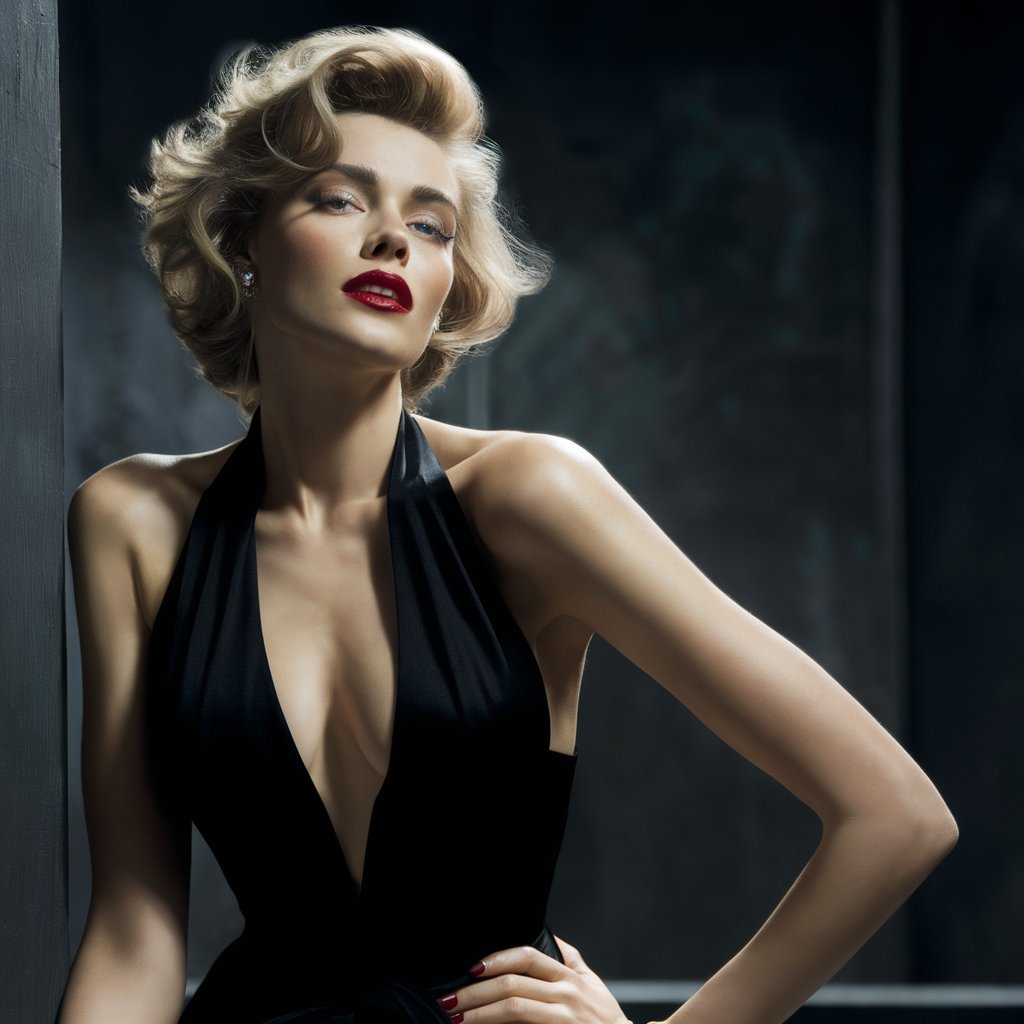
In the landscape of online communities, Tumblr has long been recognized as a hub for niche interests, fandoms, and alternative expressions of identity. Among the countless subcultures that have emerged on the platform, one of the more visually striking trends involves the fascination with exaggerated body proportions, often described by users with phrases such as “humongous boobs.” This trend is not just about aesthetics; it reflects complex discussions about body image, sexuality, humor, and fandom culture. Tumblr, with its unique blend of anonymity, creativity, and community interaction, provides a space where users can explore and express fantasies and ideals that might be stigmatized or overlooked in mainstream social media. By examining this trend, we gain insight into how online communities shape perceptions of beauty, influence artistic expression, and reflect broader societal attitudes toward the human body.
The Origins of the Tumblr Humongous Boobs Trend
The fascination with exaggerated female anatomy on Tumblr has roots in both internet meme culture and anime-inspired aesthetics. Many of these posts draw inspiration from Japanese manga and anime, where hyperbolic character designs are common. These exaggerated depictions often serve a dual purpose: as a form of playful exaggeration for entertainment and as an exploration of idealized beauty standards. On Tumblr, users remix these visuals with fan art, GIFs, and creative edits, producing a circulation of content that both celebrates and critiques the idealized forms. While some viewers engage with this content purely for humor or fantasy, others reflect on its implications for body image and self-esteem. The trend, therefore, exists at the intersection of fantasy, art, and identity, demonstrating Tumblr’s role as a space where users push the boundaries of conventional visual representation.
Community Dynamics and Engagement
Tumblr thrives on community-driven interaction, and the “humongous boobs” trend is no exception. Users often congregate in niche blogs and fandoms dedicated to specific body types or artistic styles, sharing content, commentary, and personal reflections. Engagement ranges from reblogging and tagging posts to creating detailed art or writing accompanying stories that explore character personalities and interactions. This trend highlights the participatory nature of Tumblr communities, where fans are not merely passive viewers but active contributors shaping the narrative around aesthetic ideals. Moreover, these communities often engage in nuanced discussions about consent, sexualization, and the line between fantasy and objectification, reflecting the platform’s complex social dynamics. In essence, Tumblr functions as a collaborative stage for exploring hyperbolic visual tropes while fostering dialogue around the ethics and implications of such content.
Body Image, Fantasy, and Representation
At its core, the fascination with exaggerated anatomy intersects deeply with ideas about body image and representation. While some critics argue that such trends reinforce unrealistic standards and perpetuate objectification, others contend that these exaggerations serve as harmless fantasy or artistic expression. For many users, interacting with content featuring “humongous boobs” is not about comparing themselves to an unattainable ideal but about celebrating creativity, humor, and exaggeration in art. Tumblr’s unique environment allows users to explore fantasies safely and anonymously, creating a dialogue between aspiration, humor, and artistic exaggeration. Understanding this trend requires recognizing that the appeal often lies less in literal representation and more in the playful exaggeration of human forms, a phenomenon mirrored in caricature, animation, and fantasy art worldwide.
Criticism and Ethical Considerations
Despite its popularity, the “humongous boobs” trend has faced criticism both from within and outside Tumblr. Critics point to potential issues related to the sexualization of women, body dysmorphia, and the reinforcement of unrealistic standards. Ethical considerations include how content is shared, whether it perpetuates harmful stereotypes, and the impact on impressionable audiences. Tumblr users themselves often navigate these challenges by tagging content appropriately, discussing body positivity, and differentiating between fantasy and reality. These discussions highlight the platform’s capacity for self-regulation and nuanced conversation, contrasting with the more viral and less moderated environments of mainstream social media. By examining both the appeal and the criticism of this trend, we gain a balanced understanding of how niche communities negotiate issues of consent, representation, and ethical engagement.
Conclusion
The “tumblr humongous boobs” trend exemplifies the intricate ways in which online communities explore fantasy, aesthetics, and body image. Far from being a simple fascination with exaggerated anatomy, the trend reflects broader conversations about creativity, representation, and identity in digital spaces. Tumblr’s unique culture of participation, anonymity, and artistic experimentation allows users to navigate complex ideas about sexuality, humor, and self-expression. By analyzing trends like these, we gain a window into the evolving dynamics of internet culture, the negotiation of fantasy and reality, and the ways communities shape our understanding of beauty and creativity. While debates about ethics and body image continue, the trend underscores the role of platforms like Tumblr as spaces for both exploration and dialogue.
Frequently Asked Questions (FAQs)
Q: Is the “humongous boobs” trend harmful to body image?
A: It depends on individual interpretation. For some, it may reinforce unrealistic ideals, while for others, it functions as harmless fantasy or artistic exaggeration. Tumblr allows users to engage with content in ways that are often playful rather than prescriptive.
Q: Why is Tumblr a hub for this kind of content?
A: Tumblr’s anonymity, customizable dashboards, and strong community networks encourage the sharing of niche interests, fandom content, and artistic experiments. This makes it ideal for trends that may not be widely accepted elsewhere.
Q: Are there ethical concerns with this trend?
A: Yes. Potential issues include sexualization, objectification, and the influence on young audiences. However, many Tumblr communities actively discuss these concerns and use tagging and disclaimers to navigate them responsibly.
Q: Does this trend reflect real-world beauty standards?
A: Not directly. The trend is largely exaggerated and fantastical, often inspired by anime, memes, and creative expression rather than realistic representation.
Q: Can this trend be considered artistic expression?
A: Absolutely. Many creators treat exaggerated anatomy as a stylistic or humorous element in art, exploring character design, fantasy, and storytelling rather than literal beauty ideals.
