
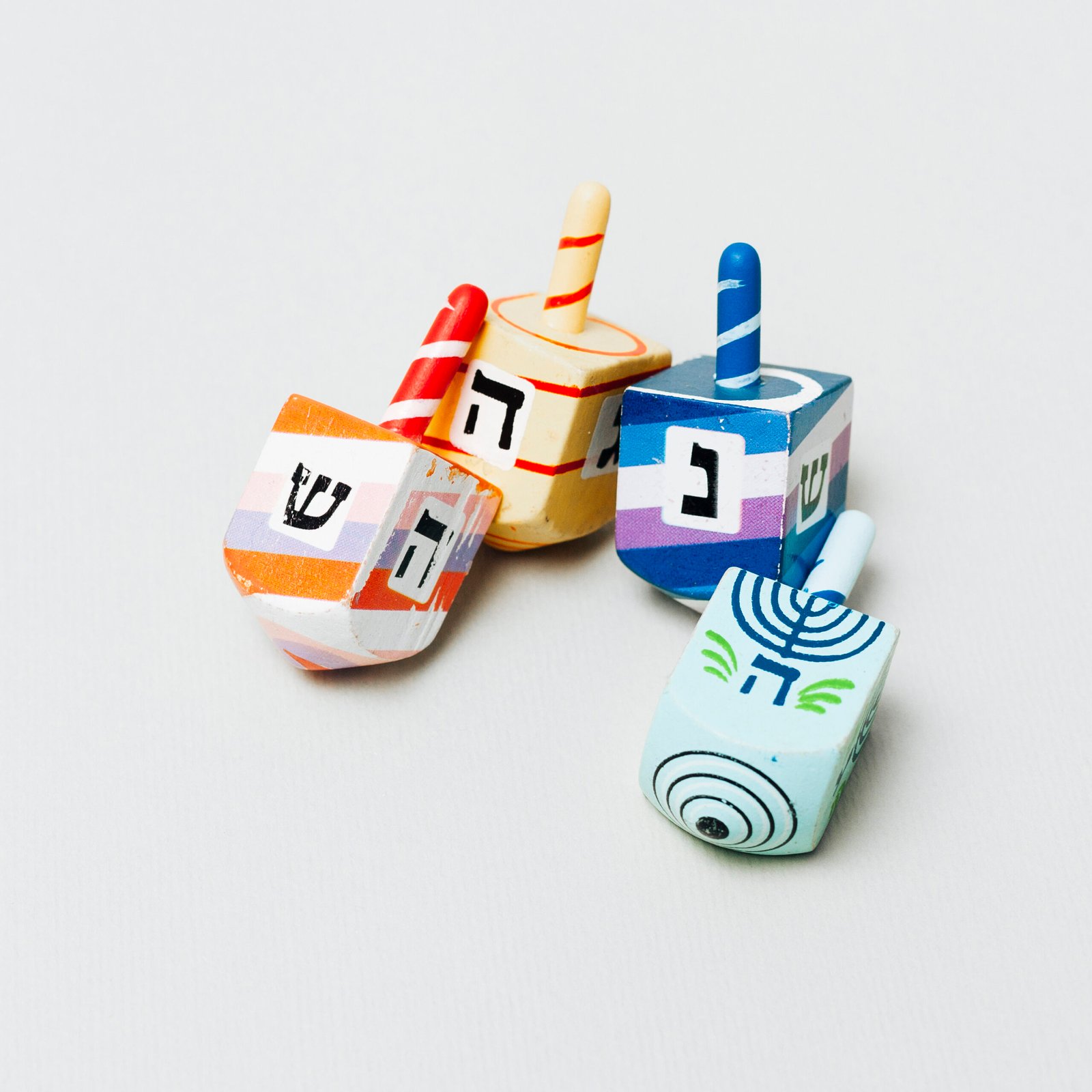
The Google Dreidel is a simple yet entertaining digital version of the traditional spinning top game played during the Jewish holiday of Hanukkah. Created by Google as part of its interactive search features, Google Dreidel allows users to experience the classic holiday game directly in their web browser without needing a physical dreidel. By simply searching the term “Google Dreidel,” users can access a virtual spinning top that replicates the experience of the traditional game while adding a modern digital twist. This playful feature reflects Google’s effort to make cultural traditions more accessible and engaging through technology. For people around the world who may not have a physical dreidel, the online version offers a quick and easy way to learn about the game and enjoy the spirit of Hanukkah.
The Google Dreidel tool is especially popular among students, families, and teachers who want to introduce the traditions of Hanukkah in an interactive way. It combines education and entertainment by allowing users to spin the dreidel and learn the meaning behind the Hebrew letters that appear on each side. With just a few clicks, anyone can participate in this festive tradition, making the digital dreidel a great example of how technology can bring cultural experiences to a global audience.
What Is Google Dreidel?
Google Dreidel is an online mini-game embedded within Google’s search results that simulates the traditional dreidel spinning game. When users type “Google Dreidel” into the search engine, an interactive dreidel appears that can be spun with a single click. Just like the physical dreidel, the digital version displays one of four Hebrew letters each time it spins, representing different outcomes in the game.
The purpose of this feature is not only entertainment but also cultural education. Many people who encounter the Google Dreidel may be unfamiliar with Hanukkah traditions. By offering a quick explanation of the rules and the meaning of each letter, the tool helps users understand the historical and cultural significance of the game. In this way, Google Dreidel acts as both a playful distraction and a learning opportunity, bridging the gap between traditional customs and modern digital experiences.
The History Behind the Dreidel Game
The dreidel game has a long history connected to the celebration of Hanukkah. Traditionally, a dreidel is a four-sided spinning top used during the eight-day holiday. Each side of the dreidel features a Hebrew letter—Nun, Gimel, Hei, and Shin—which together form an acronym for a phrase meaning “A great miracle happened there.” This phrase commemorates the miracle of the oil that lasted eight days in the ancient temple.
Historically, the dreidel game became popular among Jewish children as a festive pastime during Hanukkah. Families gather to play using coins, nuts, chocolate coins, or small treats as game tokens. The spinning of the dreidel determines whether a player wins, loses, or shares the pot. Over generations, the game has remained a cherished part of Hanukkah celebrations. The creation of Google Dreidel continues this tradition in a modern format, ensuring that people from different backgrounds can learn about and enjoy this cultural activity.
How to Play Google Dreidel Online
Playing Google Dreidel is extremely simple and requires no downloads or special equipment. All you need is an internet connection and a web browser. When you search for “Google Dreidel,” the interactive spinner appears at the top of the search results. By clicking or tapping the dreidel, the top spins and lands on one of the four Hebrew letters.
Each letter represents a different action in the traditional game. If the dreidel lands on Nun, nothing happens and the next player takes a turn. If it lands on Gimel, the player wins the entire pot. Hei means the player wins half of the pot, while Shin requires the player to add a token to the pot. These rules are the same in the digital version, making Google Dreidel a faithful recreation of the classic game while maintaining the convenience of an online experience.
Why Google Created the Google Dreidel Game
Google frequently releases small interactive features and seasonal tools to celebrate cultural holidays and engage users. The Google Dreidel game is part of this broader effort to highlight traditions from around the world. By creating a digital dreidel, Google provides a fun way for users to explore the customs of Hanukkah without needing prior knowledge of the holiday.
Another reason behind the feature is educational outreach. Interactive tools often help people learn more effectively than static text alone. By allowing users to spin the dreidel themselves, the feature encourages curiosity and participation. This makes Google Dreidel particularly valuable in classrooms or cultural discussions where teachers want to introduce Hanukkah traditions in an engaging and memorable way.
Benefits of Playing Google Dreidel
One of the biggest advantages of Google Dreidel is accessibility. Anyone with internet access can play the game instantly, regardless of location or time of year. This makes it easy for people who may not have access to traditional dreidels to experience the game and understand its rules.
Another benefit is educational value. The game naturally encourages players to learn about the Hebrew letters, the meaning behind them, and the historical story associated with Hanukkah. In addition, Google Dreidel can be used as a quick break or fun activity during the holiday season. Its simplicity makes it suitable for children, while its cultural background provides meaningful context for adults as well.
The Cultural Importance of the Dreidel Tradition
While the Google Dreidel is a fun digital feature, the tradition it represents carries deeper cultural significance. The dreidel game symbolizes resilience, faith, and the preservation of cultural identity. For many Jewish families, playing dreidel during Hanukkah is more than just a game—it is a way to pass traditions from one generation to the next.
Digital tools like Google Dreidel help ensure that these traditions continue to be shared in a modern world. By making the game available online, people who may not be familiar with Jewish customs can learn about them in an approachable and enjoyable way. This promotes cultural awareness and appreciation across different communities.
Conclusion
Google Dreidel is a creative example of how modern technology can celebrate and preserve traditional cultural practices. By transforming the classic dreidel game into an interactive online feature, Google has made it easier than ever for people around the world to experience a small part of Hanukkah traditions. Whether used for fun, education, or cultural exploration, Google Dreidel provides a simple yet meaningful way to connect with the history and spirit of the holiday.
As digital tools continue to evolve, features like Google Dreidel demonstrate how technology can bridge cultural gaps and bring traditions into the modern age. With just a quick search, anyone can spin the dreidel and enjoy a moment of festive entertainment while learning about an important cultural celebration.
Frequently Asked Questions (FAQs)
1. What is Google Dreidel?
Google Dreidel is an interactive online version of the traditional dreidel game that appears in Google search results when users search for “Google Dreidel.”
2. How do you play Google Dreidel?
Simply search for the term in Google and click the spinning dreidel that appears in the results. Each spin reveals one of four Hebrew letters that determine the game’s outcome.
3. Is Google Dreidel free to use?
Yes, the Google Dreidel game is completely free and can be played directly in a web browser without downloading anything.
4. What do the letters on the dreidel mean?
The letters Nun, Gimel, Hei, and Shin represent different actions in the game and form a phrase that refers to the miracle celebrated during Hanukkah.
5. Can Google Dreidel be used for teaching?
Yes. Teachers and parents often use Google Dreidel as an interactive way to introduce children to Hanukkah traditions and the history of the dreidel game.
